
Hilarious 90% of Gamblers Meme: Too Real?
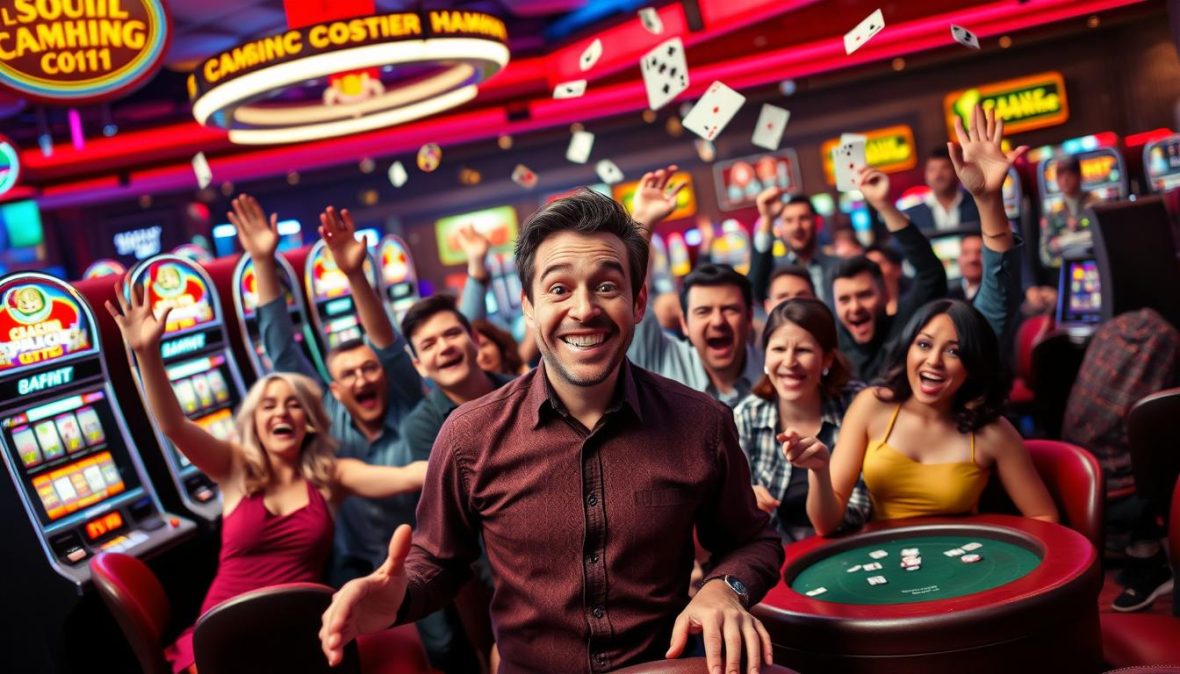
Scroll through any gambling corner of the internet and you will eventually run into it: a tense poker table, a face full of regret, and a caption insisting that gamblers who walk away were moments from glory. The line reads like a statistic. It is not one. The famous number behind the 90% of gamblers meme is a joke, and the fact that so many people cannot quite tell whether it is serious is exactly why it lands so hard.
The meme has been remixed, misquoted, printed on T-shirts, and argued over in comment sections across every major platform. Here is where it actually came from, why its signature figure is satire rather than science, and what its popularity says about the way people really feel about gambling.
What the 90% of Gamblers Meme Actually Says
The format is deliberately simple. A caption presents a fake piece of research — usually some version of the claim that most gamblers quit right before they win big — over an image of someone who has clearly gone far past the point where quitting would have been wise. On TikTok, popular versions carry captions like “90% of gamblers give up before they hit big” and “90% of gamblers quit before hitting it big”.
The humor comes from the collision between the confident, statistical tone and the obviously terrible advice underneath it. Taken literally, the caption tells you that the correct response to losing is to keep going. Everyone laughing at the meme understands that this is precisely how people talk themselves into disaster — which is what makes it satire rather than encouragement.
Where the Meme Comes From
Meme historians have documented the format in detail. The meme database entry for the template describes it as an exploitable meme that applies a fake gambling statistic to absurd situations, built on a poker image from The Sopranos and rooted in satire going back to 2013. In other words, the “statistic” was never a real finding that got distorted over time. It was invented as a joke from the start.
Because the format is exploitable, the ending gets swapped endlessly: the punchline can be about gambling, gym memberships, abandoned side projects, or anything else people give up on. The gambling version remains the original and the most widely shared.
The 99% Variant and the Wording Debate
Like every successful meme, this one has mutated. A thread on Reddit complains about people incorrectly using the phrase, noting that a version saying “99% of gamblers quit right before they win big” has been going around and has been adapted far beyond its original use. When a fake statistic becomes popular enough that strangers argue about how to quote it correctly, it has fully crossed into internet folklore.
Is the Number Real?
No. There is no study behind the caption. A responsible-gambling site that looked into a closely related claim — that 83% of gamblers would have won big — concluded that, much like the circulating 90% meme, the figure appears to be fabricated for amusement.
That matters more than it might seem. The meme works as comedy precisely because it inverts what everyone quietly knows: persistence at a casino is not a virtue, and the “big win” the caption promises is the same fantasy that keeps people chasing losses. Repeat the number as if it were research, though, and the joke starts doing the opposite of its job.
Why It Feels “Too Real”
The meme’s staying power comes from recognition. Anyone who has gambled — or watched someone close to them gamble — knows the exact moment the caption is mocking: the decision to keep going because the win must be near. Humor gives people a way to talk about that moment without confessing anything.
It can also cut deeper than a punchline. In a YouTube video titled “Gambling Addict Reacts To The WORST Viral Gambling Memes”, the creator breaks down why these memes feel so relatable and how they can normalize losing money and lying about it. That is the double edge of gambling humor: the same joke that helps one person laugh off a bad night can help another person wave away a genuine problem.
What the Meme Gets Right About Gambling Culture
Strip away the fake number and the meme still lands on something genuine about how gambling gets discussed online. Wins are broadcast; losses are converted into jokes. Meme pages, group chats, and forums are full of people processing bad sessions through humor, because humor is the socially acceptable way to say “that hurt.”
That is also why the meme doubles as commentary. It pokes at the stories gamblers tell themselves — the near-miss that proves the system works, the losing streak that must be about to break — and it does so in the gambler’s own voice. Satire that sounds like encouragement is uncomfortable, and the discomfort is the point.
From Punchline to Merchandise — and Motivation
The phrase has escaped the screen entirely. Pinterest hosts a “90% OF GAMBLERS QUIT RIGHT BEFORE THEY ARE ABOUT TO HIT IT BIG” meme T-shirt, posted by an account that says it shares daily motivational quotes to help people quit gambling. The same fake statistic gets used both as a joke about persistence and as a warning against it.
Some meme posts pair the humor with harm-reduction messaging outright: one widely shared gambling meme reel on Instagram carries a gambling-problem helpline notice right alongside the joke. Even inside meme culture, the line between laughing at gambling and worrying about it is thin.
Using the Meme as a Conversation Starter
Because the meme is funny first, it lowers the temperature of a conversation that is usually hard to start. If it comes up with a friend whose gambling worries you, treat it as an opening rather than a verdict:
- Listen without judgment instead of leading with lectures.
- Share your own experiences carefully, if you have them.
- Point toward supportive resources rather than demanding immediate change.
- Learn the warning signs of problem gambling, such as hiding losses or chasing them.
Laughing together at the meme and then asking a genuine question is often more effective than any warning label.
Tools That Help You Stay in Control
The meme jokes about people who cannot stop. The unfunny version of that problem has practical answers, and most of them come down to deliberate structure:
- Set financial limits before you play, and treat the limit as the price of the entertainment rather than a target to win back.
- Manage your time the same way — decide in advance how long a session lasts, and end it when the clock says so, not when your balance does.
- Use self-exclusion and tracking tools when limits alone are not enough. BetBlocker is a dedicated self-exclusion tool, the Gamblers Anonymous mobile app adds community support, and session trackers such as MyGamingLog help you see your spending honestly.
Where to Find Help
If the meme feels less like a joke and more like a mirror, support exists, and asking for it is a sign of strength rather than failure:
- The National Council on Problem Gambling (NCPG)
- The National Problem Gambling Helpline
- Gamblers Anonymous meetings and its mobile app
- BeGambleAware
- SMART Recovery online meetings and local counseling centers
Online communities — anonymous forums, peer support networks, and moderated recovery spaces — can also make it easier to talk about gambling honestly, especially for people who are not ready for a formal program.
FAQ
What does the 90% of gamblers meme mean?
It parodies the logic of chasing losses. By presenting “quit right before they win big” as if it were a statistic, it mocks the gambler’s belief that the next bet is the one that pays everything back.
Is the 90% statistic accurate?
No. Meme databases describe the figure as a fake gambling statistic, and a responsible-gambling site that examined a similar claim found it appears to be fabricated for amusement. Treat the caption as comedy, not research.
Why do gamblers find it so relatable?
Because it names, in joke form, an impulse most gamblers have felt: the conviction that walking away means missing the big one. Recognizing that impulse in a meme is easier than admitting it out loud.
Can a meme actually help with gambling awareness?
It can open the door. A meme will not replace counseling or self-exclusion tools, but it makes gambling behavior discussable — and people who can talk about a habit are far better placed to change it.
Where can someone struggling with gambling get help?
Start with the National Problem Gambling Helpline, Gamblers Anonymous, or BeGambleAware. Professional counseling and online peer communities can support the process, and self-exclusion tools like BetBlocker help enforce the limits you set for yourself.
The 90% of gamblers meme endures because it tells a true story with a fake number. The statistic is invented; the behavior it skewers is not. Laugh at it, share it — and if it ever stops feeling like a joke, take that feeling seriously.